Hurricane & Storm Damage Roof Repair in Florida
Florida sees more hurricane and tropical storm activity than any other state in the US. For homeowners in Oakland Park and Broward County, storm season isn’t a possibility it’s an annual reality. Knowing exactly what to do in the hours and days after a major storm can be the difference between a smooth insurance claim and a nightmare repair experience.
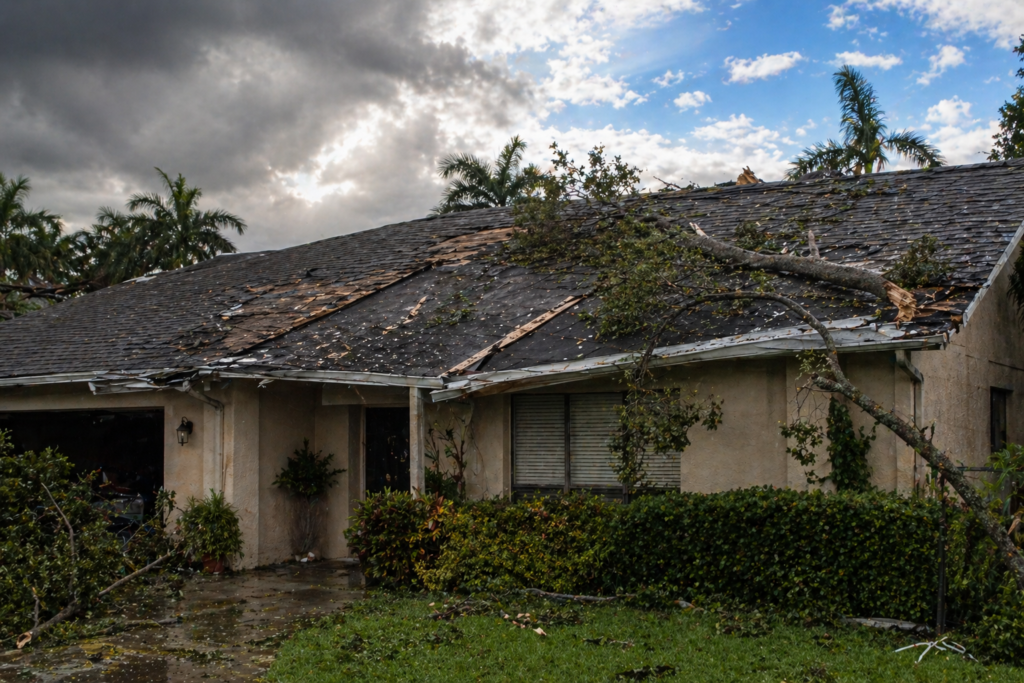
Here is a step-by-step guide to handling roof damage after a storm in South Florida.
Step 1: Stay Safe Do Not Go on the Roof
This is the most important rule and the most commonly broken one. After a storm, roofs are wet, structurally compromised, and potentially hiding hidden damage that makes them unsafe to walk on. Every year in Florida, homeowners are seriously injured attempting to inspect or tarp their own roofs after a storm.
Stay off the roof. Your job is to document from ground level and call a licensed professional.
Step 2: Document Everything From the Ground (Within 24 Hours)
Before any cleanup begins before you move debris, before anyone touches the roof photograph and video everything. Insurance claims depend on documentation, and evidence disappears fast.
Document:
- The full exterior of your home from all four sides
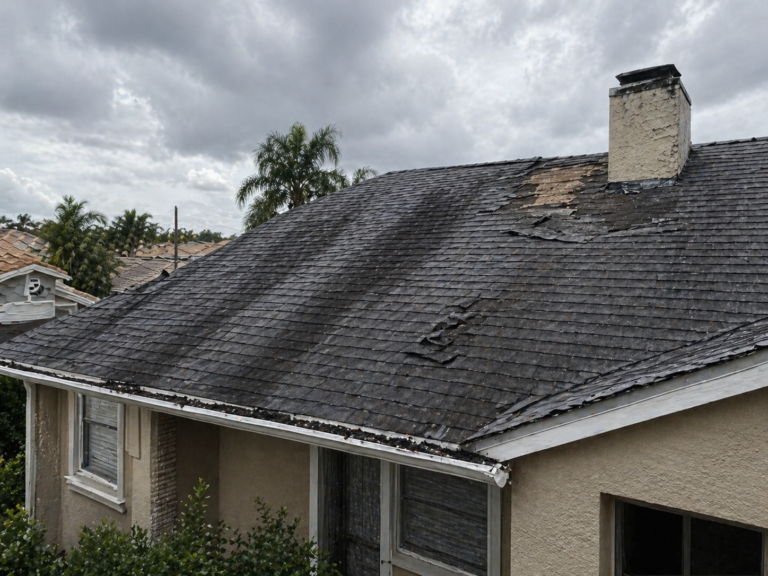
- Any visible roof damage (missing shingles, debris impact, flashing damage)
- Interior water damage ceiling stains, wall damage, wet flooring
- Damaged personal property inside the home
- Any structural damage to fascia, gutters, or soffits
Take photos with your phone they are automatically timestamped, which insurance adjusters rely on heavily. Upload them to cloud storage immediately so nothing is lost.
Step 3: Apply Temporary Protection If Needed
If you have an active leak causing interior damage, temporary tarping prevents additional water intrusion while permanent repairs are arranged. This is where calling a roofing contractor immediately is critical professional tarping is properly secured and engineered to withstand additional wind. DIY tarps frequently blow off in South Florida’s wind conditions, creating additional damage.
Call Oakland Park Roofers at (754) 256-5424 for same-day emergency tarping and damage assessment across Broward County.
Step 4: Call Your Roofing Contractor Before Your Insurance Company
This surprises most homeowners but calling your roofer first is almost always the right sequence. Here’s why:
A licensed roofing contractor will:
- Document all damage professionally with photos and written assessment
- Identify hidden damage an untrained adjuster might miss
- Provide you with a detailed repair scope before the adjuster visits
- Advocate for the full scope of necessary repairs during the claim process
If you call your insurance company first and an adjuster visits before you have professional documentation, you may receive a lowball settlement offer that doesn’t cover the full extent of repairs. A licensed contractor’s detailed damage report gives you the foundation for a complete claim.
Step 5: File Your Insurance Claim With Full Documentation
Once you have your contractor’s damage report and photos, file your claim with your homeowner’s insurance company. In Florida, you typically have up to 2 years from the date of the storm to file a claim, but the sooner you file, the smoother the process.
Information to have ready when you call:
- Your policy number
- Date and time of the storm
- Description of all damage observed
- Your contractor’s written damage assessment
- All photos and videos taken
Request a copy of your policy’s declarations page so you understand your deductible, coverage limits, and any exclusions relevant to your claim.
Step 6: Meet the Adjuster With Your Contractor Present
When your insurance company sends an adjuster to assess the damage, have your roofing contractor present at the same time. This single step has the largest impact on the outcome of your claim.
Your contractor can:
- Point out every damage item the adjuster needs to document
- Explain the technical scope of repairs in language adjusters understand
- Dispute on-the-spot if the adjuster’s scope appears incomplete
- Provide material pricing that supports your claim amount
Common Storm Damage We See in Oakland Park After Major Storms
Missing shingles Wind lifts and removes shingles, especially at ridges, hips, and edges. Each missing shingle exposes underlayment that will not hold up through a second rain event.
Lifted flashing Metal flashing around chimneys, vents, and edges is extremely vulnerable to high winds. Lifted flashing creates direct water entry points that cause ceiling leaks within hours of a storm.
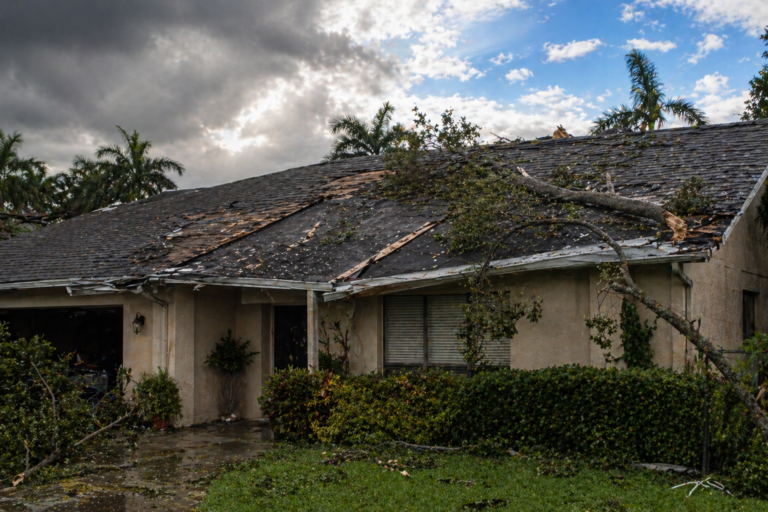
Soffit and fascia damage Wind-driven rain and debris frequently damages the soffit and fascia boards along the roofline edge. This damage allows water and pests to enter the attic space.
Gutter damage Bent, disconnected, or missing gutters prevent proper drainage, causing water to pour down exterior walls and pool around the foundation.
Impact damage from debris Branches, lawn furniture, and neighbor debris can puncture roofing material and crack tiles on impact.
Red Flags: How to Avoid Storm Chaser Contractors in Florida
After every major storm in Broward County, out-of-state contractors flood the area offering immediate repairs. Many are unlicensed, uninsured, and gone before problems emerge. Watch for these red flags:
- They knock on your door unsolicited within 24 hours of a storm
- They ask you to sign a contract before providing a written estimate
- They offer to waive your deductible (this is insurance fraud in Florida)
- They cannot provide a Florida contractor license number on request
- They want cash payment upfront
- They have no local office or address
Always verify your contractor’s Florida license at myfloridalicense.com before signing anything.
Get Fast Storm Damage Repair in Oakland Park
Oakland Park Roofers provides same-day emergency storm damage assessment and repair across Broward County. We document everything for your insurance claim, work directly with your adjuster, and complete permanent repairs using Florida wind-rated materials.
Call (754) 256-5424 any time 24/7 emergency response for Oakland Park and all surrounding communities.